
What This Year’s Heat waves Reveal About the EU’s Economic Future
Executive Summary
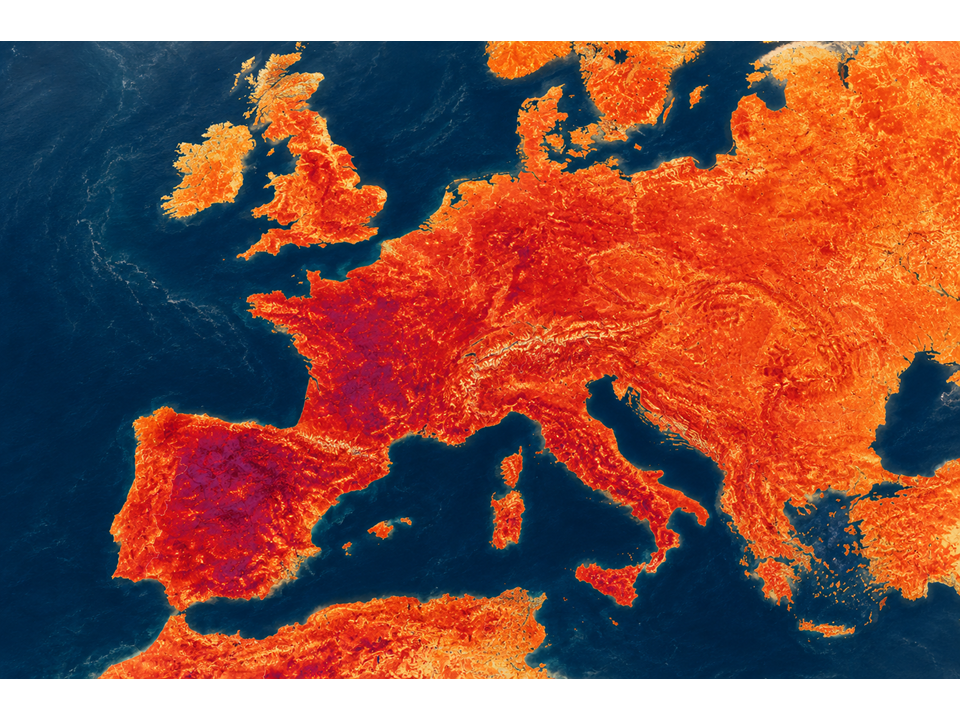
The summer of 2026 has made clear that Europe’s heat crisis is a stark preview of a risk that had, until now, largely lived in long-range forecasts: climate is now a near –term macroeconomic force, not a future one. Disruption has hit many sectors: agriculture, energy, electricity, tourism, river transport, and health, costing around €180 billion, almost wiping away the forecast 1.1% GDP growth rate for 2026.
This brief argues that the EU countries have been able to absorb the shock, without any of its critical systems breaking down (to date). However, this is a wakeup call for future. The heat waves put the EU countries in difficult situations that affect strategic choices: pledges to de-risk from China or increasing cooling equipment from china, and adopting green energy or increasing fossil fuel imports, which will lock the EU in a spiraling cycle of increased fossil fuel, and increased climate change, increasing transport routes or disrupted supply chains. These challenges seem as important as the immediate responses to the heat waves, droughts and wildfires. Further strategic responses are demanded in industrial supply chains, health infrastructure, tourism assets, and post- action adaptation (preparing for impacts already locked in) for climate change.
Is this Actually Unprecedented, or Just a Hot Summer
The back to back peak temperatures the European Countries faced this summer form a pattern, drawing attention from climate experts.
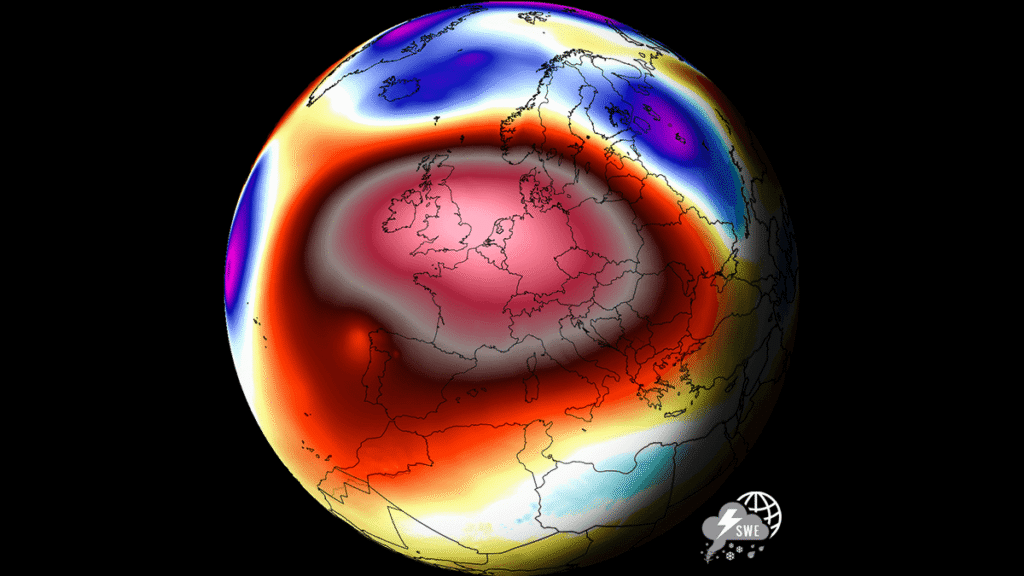
Europe has warmed by roughly 2 degrees Celsius since the historic 1976 heat wave, making it the fastest-warming continent, with both the frequency and intensity of extremes increasing. The EU’s climate monitoring service, Copernicus, has confirmed that Western Europe has experienced its hottest June-July period on record.
The heat waves were accompanied by severe drought, where the European Drought Observatory (EDO) showed warning and alert conditions across most of the continent, in mid-July
Record wildfires spread in many regions of Europe. By early August 2026, wildfires burnt 489,826 hectares of land (almost half the size of Cyprus. Total wildfire damage and economic loss is estimated at €15.6 -19.1 billion across the five hardest-hit countries- France, Spain, Portugal, Greece, and Romania- a figure one climate economist warned could ultimately run three times higher, once urban and health impacts are fully counted.
The Energy Sector and the Green Energy Paradox
Successive heat waves raised cooling demand while simultaneously restricting nuclear, hydroelectric, and solar energy generation, turning what began as an energy-system challenge into a broader regional emergency. Low water levels curtailed hydropower and forced several nuclear generators to reduce, output as in France, and Hungary.
Heat waves present a cruel irony for Europe’s solar energy ambitions. While high-pressure systems suppress cloud cover and increase solar irradiance, the benefits are sharply limited.
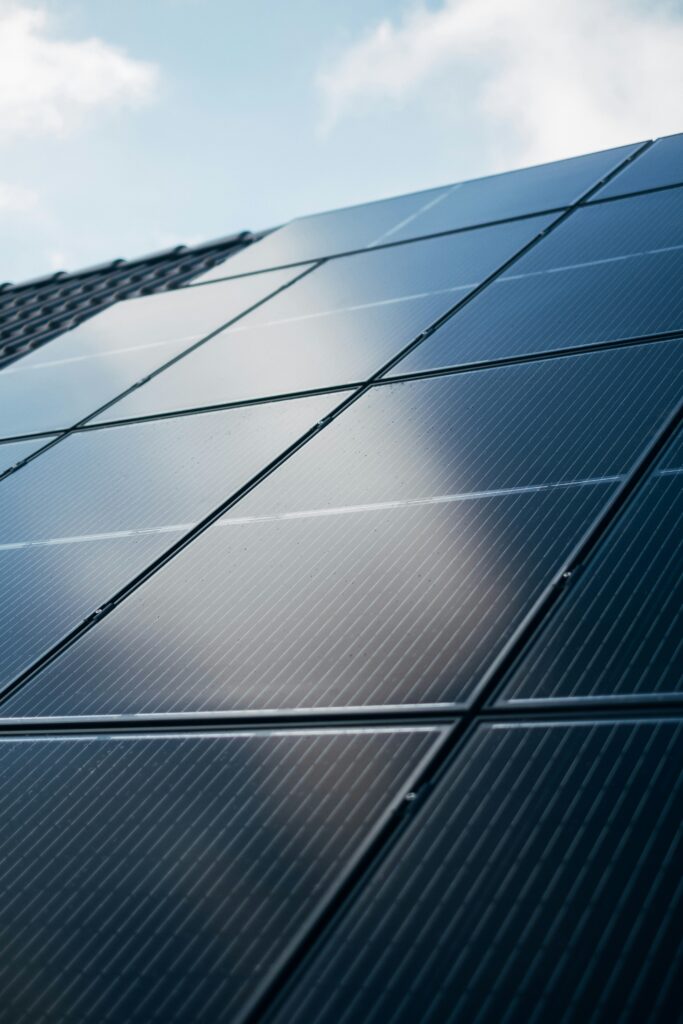
Solar panels lost efficiency in 3 different ways this summer. The first was through Efficiency degradation of the panels as temperatures rise. The second is through the smoke from wild fires and Saharan dust breaks that reduce irradiance. The third is through “trans-boundary smoke”.
The Fossil Fuel Trap
These developments came at a time when the cooling demands are forcing grid operators to ramp up gas-fired generation.
The absurdity is evident: stringent EU climate regulations designed to phase out fossil fuels are being undermined precisely because renewables cannot yet meet peak cooling loads, forcing greater reliance on the very fuels Brussels seeks to eliminate.
The financial impact on households is immediate. During the June 2026 heat wave alone, electricity bills in France and Germany increased by over €700 million in a single week as cooling demand surged and wholesale prices rose. In Belgium the Record evening spikes were 10x the wholesale average.
The issue was further elevated with the geopolitical situation in the Hormuz Strait area -through which 20% of global oil and LNG transit -sent gas prices at the TTF hub up by 50% since July 1, while Brent crude rose 25% to. These imported energy costs feed directly into wholesale electricity prices, where gas-fired generation continues to set the market price in most countries.
The consequence for heating bills is equally grim. With gas inventories at only 35–40% of capacity and declining rapidly, winter 2026-27 could bring a repeat of the 2022 energy shock-but this time without the buffer of Russian pipeline gas, which the EU is committed to phasing out entirely by January 2027.
Geopolitical Overspill: The Energy-Trade Nexus
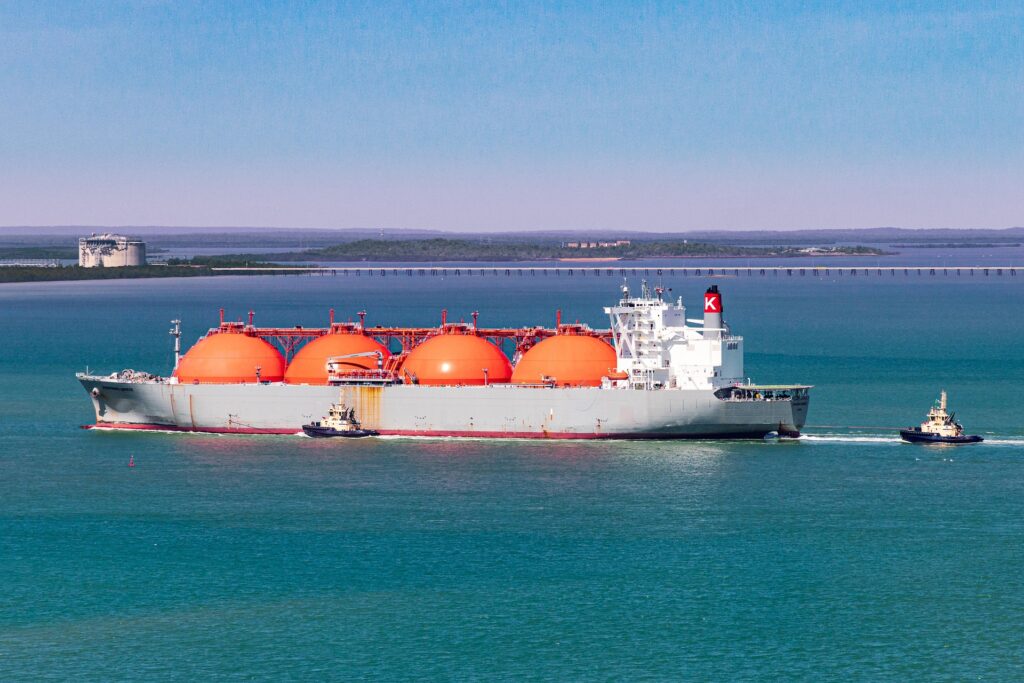
Europe’s heat crisis is amplifying existing geopolitical vulnerabilities in ways that policymakers have barely begun to model.
Before the Ukraine war, Russian pipeline gas supplied 40% of EU gas imports. By end of 2025, that share had fallen to 12%, while US LNG’s share rose from 24% to 56% of total LNG imports. On the other hand, the situation in the Strait of Hormuz has made Qatar’s LNG shipments—a key pillar of Europe’s energy diversification strategy—unavailable or prohibitively risky. With no end in sight for the current situation in the Strait of Hormuz area, Europe is locked into a long-term, high-cost US, LNG contract trajectory that offers little price stability.
In further exacerbation of the problem: as the strikes against oil infrastructure, and oil vessels in the Black sea increases, oil supply from the region is reduced, further tightening the global oil markets, directly feeding into European fuel prices at the pump and reinforcing the inflationary pressures already driven by climate-related energy costs.
Industry Under Pressure: Fuel prices, Supply Chains and Competitiveness
Industrial Europe is caught in a pincer movement between energy costs and supply chain disruptions. While the industries struggle with the costs of elevated oil prices, they are facing another challenge due to logistics challenges rising from disruptions to transport routes.
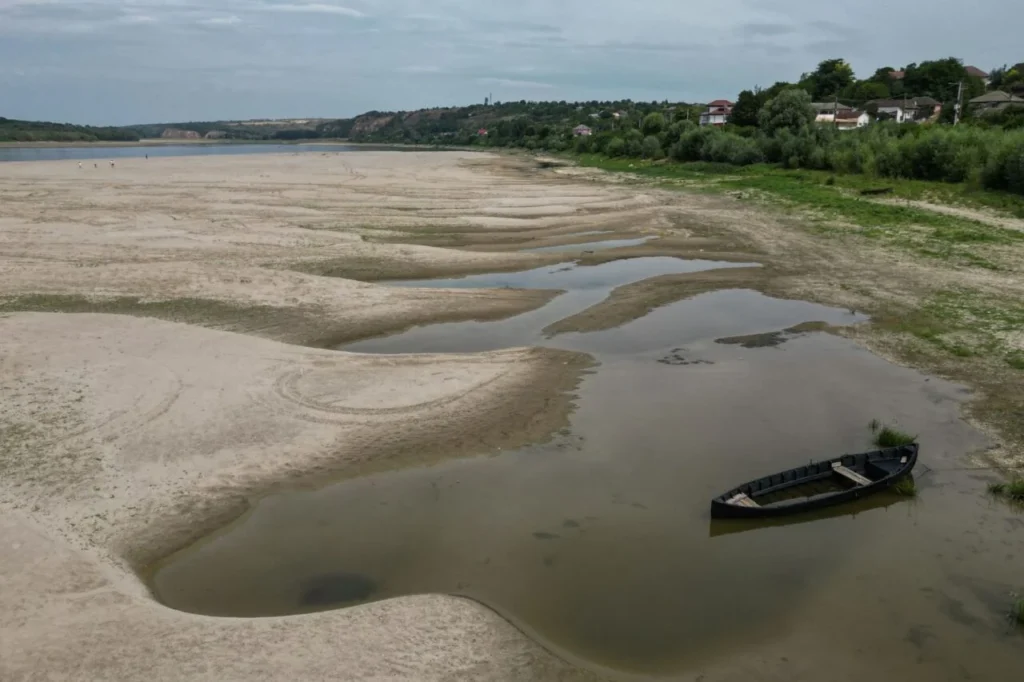
World Bank Group stated that in several EU member states, more than 80% of roads and 70% of power lines sit in wildfire-prone areas, meaning routine travel trade and supply chain routes have been significantly affected. Record low levels of water in some major European rivers, reduced the traffic in these waterways, and required lighter shipments for those ships that actually make the trip, to avoid hitting the shallow river bed. The Rhine River at Kaub—a critical chokepoint for German industry—has broken its 2018 record low water level. Shipping costs for oil products from Rotterdam to Karlsruhe have tripled from €45 to €150–160 per ton. This directly impacted several industries: including Automotive and chemicals sectors that face production cuts as raw materials fail to arrive. The Kiel Institute for the World Economy estimates that low Rhine water levels alone could cost Germany €1–2 billion in lost Q3 2026 output.
The air conditioning paradox: EU ‘De-risking’ vs. Imports of Chinese Air Conditioners

As the EU pushes ahead with ‘de-risking’ to reduce dependence on China, and seeks to further restrict A/Cs from China as of 2027, record-breaking heat waves force it to massively import Chinese-made air conditioners to address a public health crisis.
This comes at a time when local European manufacturers cannot meet the surge in demand which reached 100% in countries like Belgium and the Netherlands. Affordable, energy-efficient Chinese cooling units became a “lifeline”, so the EU imports of Chinese air conditioners reached €3.76 billion in the first half of 2026 alone up 43.2% year-on-year, and expected to rise further with the continuation of the heat waves. This creates a sharp clash between environmental, economic, and political ambition and on-the-ground reality. Europe has fallen into an “air-conditioner paradox” in summer 2026 which vividly illustrates the enormous gap between idealistic policy and real-world necessity. The EU is politically eager to “de-risk,” but its citizens—quite literally sweating and dying from heat—vote with their wallets.
The Human Toll
The health consequences of Europe’s heat waves extend far beyond heatstroke. The strain on healthcare systems is multifaceted, chronic, and increasingly unaffordable.
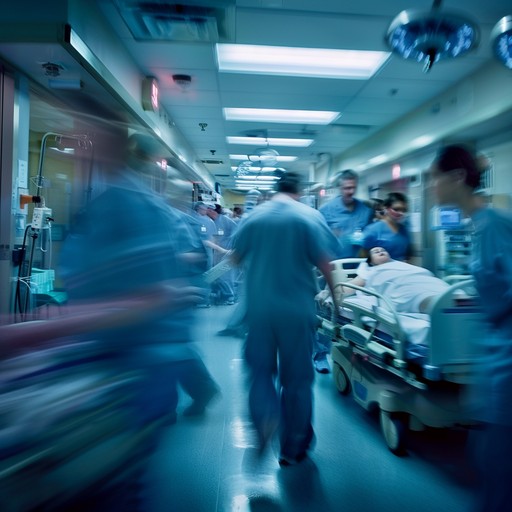
The human loss of life is increasing with every passing day under a heat wave: EuroMOMO (European Mortality Monitoring) recorded over 10,000 excess deaths during the late-June heat wave alone, more than 9,000 of them among people 65 and older, with France recording at least 5,764 excess deaths-36% above expected levels. While Germany alone recorded in mid- August 12,500 heat waves related deaths this summer. The toll is geographically uneven: deprived regions with poorer housing showed substantially higher heat-mortality risk than wealthier areas facing identical temperatures.
Health system costs and capacity: The European Health Emergency Preparedness and Response Authority (HERA) estimates that heat wave-related healthcare costs—including emergency admissions, intensive care, medications, and long-term care—could reach €9 billion annually by 2030. Mediterranean countries are particularly vulnerable, with Italy, Spain, and Greece already reporting summer hospital occupancy rates exceeding 120% of normal capacity during heat waves.
The mental health strain on healthcare workers: Less discussed is the psychological burden on healthcare staff forced to triage heatstroke patients in overcrowded, under-cooled facilities. In Spain, nurses have reported burnout rates exceeding 70% during summer peaks, compounding existing staffing shortages.
Agricultural Failures
On the 17th of August 2026, The Guardian Newspaper stated that successive intense heat waves and an increasingly severe, continent-wide drought have left many of Europe’s farmers in an “unprecedented” crisis, with vegetable and grain growers in particular warning of “catastrophic” harvests.
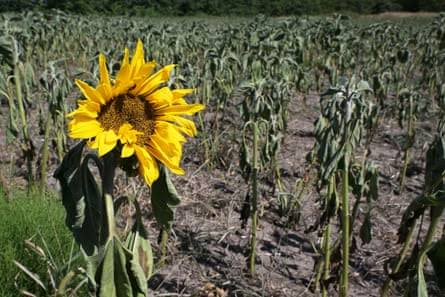
The newspaper continues to say that French vegetable production is down by “a very significant extent” compared with previous years, or “a historic crisis”
Cereal production has been equally hard hit, with the agriculture ministry estimating the maize harvest in France – Europe’s largest grains producer – will be down by 35% on 2025 levels at about 9m tonnes, a quantity last seen in 1980.
That is likely to cause big problems for livestock farmers. With dairy cows typically starting to suffer from heat stress above 25C, many producers have already reported milk yields down by 10%-15%. Most are now also concerned about winter feed.
Germany lost 1.4 million tonnes of grain worth €233 million, while France, Spain, Hungary, Italy, and Romania combined lost more than 9 million tonnes of grain and crops, leading to increased prices of crops, and increased bills for importing the deficit.
Tourism Sector: Lost Numbers and Lost Revenues
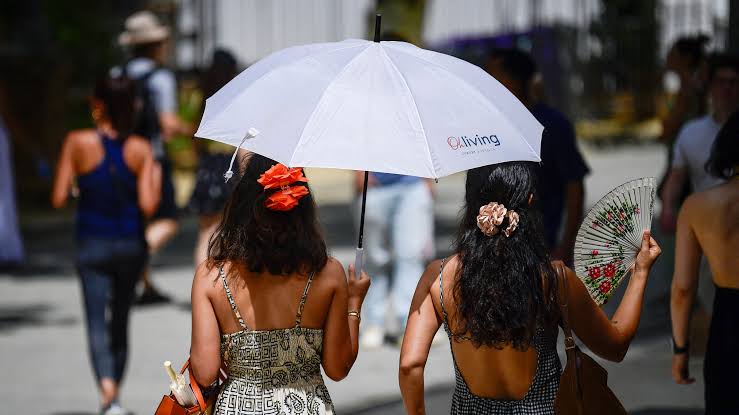
Southern Europe’s tourism sector—the economic lifeblood of Greece, Spain, Italy, and Portugal—is facing a significant losses, with genuine economic impacts.
Initial estimates for summer 2026 suggest a 15–20% drop in international tourist arrivals to Mediterranean destinations compared to pre-heat wave forecasts. The World Travel and Tourism Council (WTTC) projects that heat wave related tourism losses for the EU could reach €35–45 billion in 2026 alone. This figure includes direct spending declines, cancelled bookings, and reduced length of stay. Greece, where tourism accounts for 25% of GDP, faces the most severe impact, with the Bank of Greece estimating a 2.5% GDP contraction from tourism losses alone.
Wild Life and Ecological Collapse
Wildfires are not only destroying trees; they are altering forest composition where heat-tolerant species are replacing more vulnerable species, reducing biodiversity and altering carbon sequestration capacity.

In the Mediterranean Sea, temperatures have reached record highs, exceeding 30°C in some coastal areas. Mass mortality events among marine life—including sea urchins, shellfish, and coral—have been recorded, threatening the fishing industry and marine biodiversity.
What Adaptation Costs, and Who’s Paying
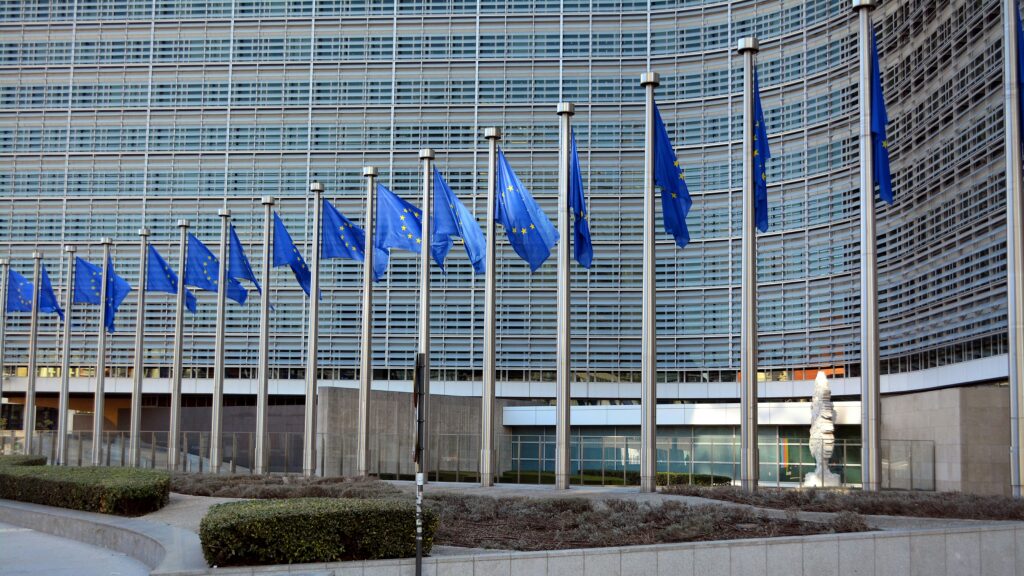
The European Commission estimates that €70 billion annually is needed to make Europe heat-resilient. The EU has a mechanism of Cohesion and Recovery that has a total of €392 billion for 2021-2027, with member states required to allocate at least 37% of Recovery and Resilience Facility funding to climate action.
However, official calculations for 2021-2025 show 72% of EU climate expenditure went to mitigation (reducing emissions) rather than adaptation (preparing for impacts already locked in).
The Insurance Gap
The Current EU average insurance coverage for climate-related damage is only about 20%. This means most costs are borne directly by households, firms, and ultimately governments—often through emergency appropriations that bypass normal fiscal planning.

Industry voices are now warning openly that Europe faces a widening “protection gap” between what’s lost and what’s actually insured.
Spain’s 2025 wildfires alone caused nearly €5 billion in damage, of which less than €1 billion was insured. This means a large share of the damage, especially for underinsured households and small businesses, isn’t covered and either falls on personal savings or goes unrepaired.
The Sovereign Loop

One of the most serious risks is not the direct damage cost but the indirect transmission.
The Bruegel (Brussels- based think tank) notes, disaster losses lower economic growth and reduce fiscal revenues, which increases the cost of debt refinancing. Deteriorating credit ratings and investor expectations raise the cost of new debt financing, making proactive adaptation even costlier. This feedback loop is the true threat to the EU’s fiscal architecture.
Conclusion
The summer of 2026 is not a dress rehearsal; it is the first act of a new normal. Europe’s energy security, industrial competitiveness, health infrastructure, tourism assets, and sovereign fiscal positions are now inextricably linked to the continent’s ability to adapt to heat at scale.
Many of the EU’s ambitious clean and profitable policies have been put to tremendous tests, failing in many of them: renewable energy, “derisking” from china, reducing fossil fuel bills, environmental diversification…The questions are no longer whether to adapt, but whether to do so proactively or through cascading crises—and whether the EU can muster the political will to pay the bill before it becomes unaffordable.
Leave a Reply