
The Shipping Industry’s Reality: Is Volatility the New Norm?
Executive Summary
This paper asks whether shipping has entered an era of volatility, not just a temporary rise in costs. The answer is yes. Shipping costs now have two layers: a floor that keeps rising for structural reasons that include fuel, insurance, compliance, security, capital costs. that is climbing steadily for structural reasons, beneath a freight-rate ceiling that swings sharply and repeatedly in response to shocks, pandemic-era demand, the 2022-2023 correction, the 2024 Red Sea crisis, the renewed overcapacity-driven pullback, and the Strait of Hormuz Crisis since February 2026. Six major shocks within five years are not anomalies. They’re a pattern
These costs don’t hit everyone equally. Shippers, raw material producers, manufacturers, and consumers each absorb volatility in different ways, with small businesses and consumers of essential goods usually get hit hardest. Governments face rising costs too, through inflation, emergency spending, and pricier imports that increase governmental debt. Only a few countries rich in ships, ports, or insurance capacity have the uncertain possibility of offsetting these costs with incoming revenues. This uncertainty makes big, long-term bets on ships and ports harder to justify financially, even though such investments keep happening, often for strategic reasons rather than pure profit. The paper concludes that shipping used to be a cheap, dependable given. Now it’s something businesses and governments have to actively manage, through diversification, flexibility, and back up plans, and even readopting restocking higher amounts of inventory.
Introduction
For most of the past three decades, shipping was the invisible, reliable backbone of globalization, cheap enough that companies could source a component in one country, assemble it in another, and sell the finished product in a third, without shipping costs really factoring into the decision. In the early 2000s, sending a container from Shanghai to Los Angeles cost a business owner little more thought than a domestic delivery. That predictability wasn’t an accident; it was the result of decades of containerization, deregulation, and bigger ships.
That world no longer exists. Since 2020, the industry has been hit by more than 5 shocks all in the space of roughly 6 years.
This led to an increase in the cost of shipping on 2 levels layered on top of each other. One is a floor: the underlying cost of operating a ship, insurance, new build prices, security surcharges, environmental compliance, and that floor has been climbing steadily for structural reasons that show no sign of reversing. The other is a ceiling: the freight rate a shipper actually pays, which swings wildly above that floor in response to whichever shock is dominating the headlines that year, before settling back down until the next one arrives.
This paper asks a simple question: has volatility, not just cost, become the new normal for shipping? And if so, what does that mean for the businesses, consumers, and governments who depend on it?
Part 1: Rising Prices Since COVID, To Now, and Why
Before the pandemic, sea shipping was almost boring by design. For decades the industry was becoming increasingly efficient: containerization, bigger ships, deeper ports, longer-term contracts, and a slow deceleration in fuel prices between the 1990s and 2010s all pushed costs down and kept them there. Businesses built entire strategies around this: just-in-time manufacturing, single-source suppliers on the other side of the planet, on the assumption that shipping would remain cheap and predictable. That assumption no longer holds.
The COVID Shock (2020-2021)
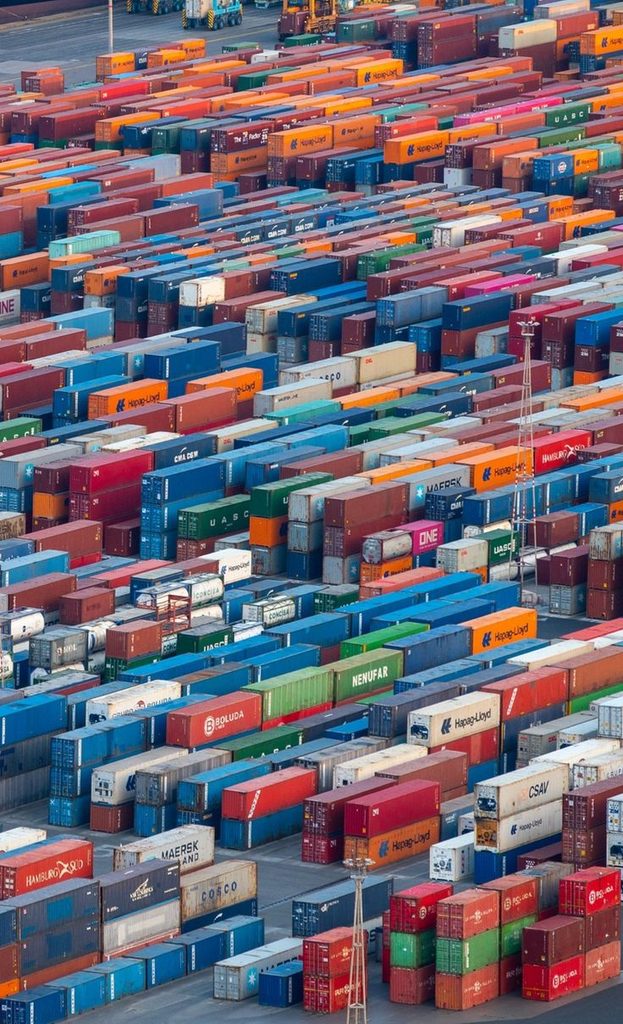
When pandemic-era demand for goods exploded just as ports and labour forces shut down, freight prices shot high. A container that used to cost a few thousand dollars before the pandemic, briefly shot to 20,000. Demand for physical goods surged while ship capacity grew only marginally, and the mismatch did the rest.
The Crash and the War (2022-2023)
Rates didn’t stay high. Through 2022 and 2023, consumer spending shifted back from goods to services, a wave of new vessel capacity ordered during the boom began entering service, and slowing global growth – amid high inflation and rising interest rates – further cooled demand. This is in spite of China’s lockdowns and the disruption from the war in Ukraine. By late 2023, prices returned close to pre-pandemic-adjusted norms, and sometimes a little bit below them.

The Red Sea Shock (2024)
Just as the market found its footing, escalating security threats in the Red Sea forced carriers to abandon the Suez Canal route in favour of the much longer path around Africa, adding roughly 10-14 days to voyage times. Prices spiked again, hitting record highs in mid-2024. This shock had nothing to do with pandemics or demand, and everything to do with geopolitics and consequently, supply.
Self-Inflicted Volatility: The Megaship Race
Not every swing came from outside the industry. During the 2010s, shipping companies kept building bigger and bigger vessels to cut their per-container cost. When too many did this at the same time, the resulting overcapacity crashed freight rates and helped bankrupt Hanjin Shipping in 2016, one of the largest carrier collapses on record. This pattern seemed to be playing out again in 2025. As things normalized in the Red Sea, this excess capacity pushed freight rates down by nearly half by the end of the third quarter of 2025.
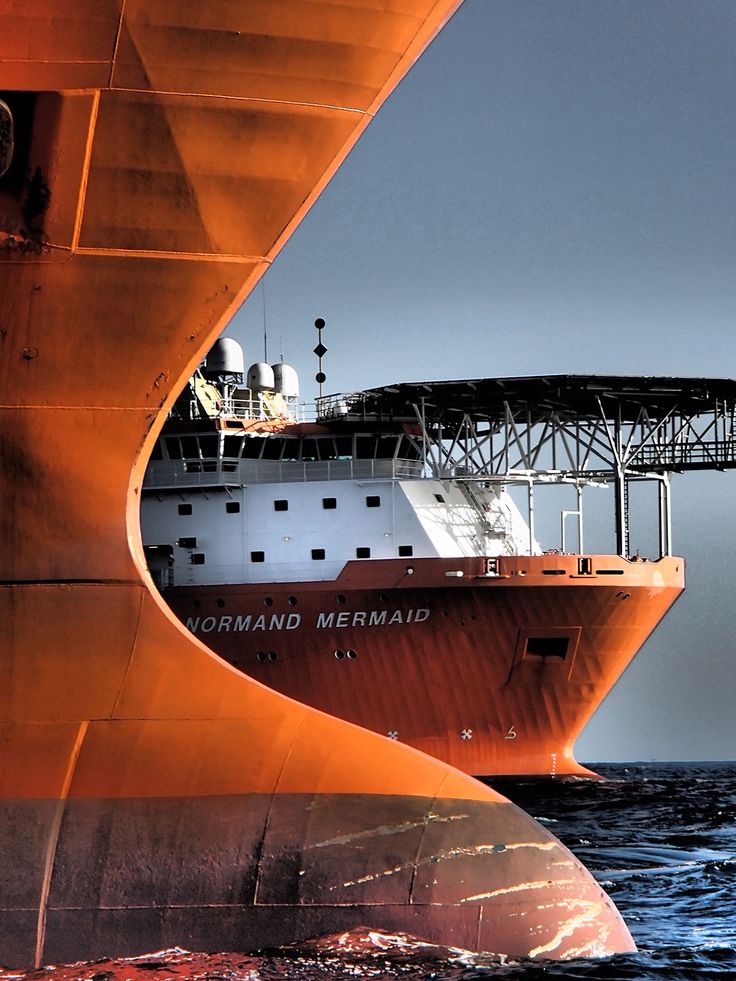
Making matters more complicated, ships and ports now cost far more to build than they used to: automated terminals and larger vessels require huge upfront investment, so capacity takes years to add or remove. This slow response time is exactly why price swings get sharper whenever a new shock hits.
The Hormuz shock (2026)
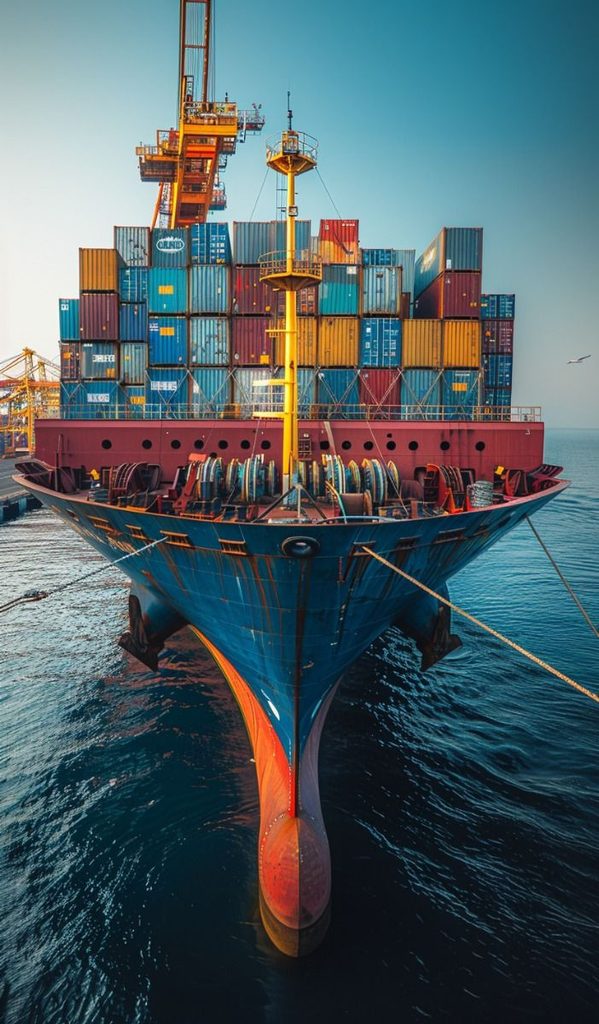
By February 2026, another major shock emerged in and around the Strait of Hormuz. This is an important issue, given that roughly a quarter of the world’s seaborne oil trade and a fifth of its LNG passes through this strait. With the eruption of military animosities in February, transit through the Strait of Hormuz has collapsed, and hasn’t returned to its pre-February levels till today. This is combined with attacks on commercial vessels in the area. War-risk insurance for tankers making passage has reportedly increased several folds compared to its pre-February levels, and benchmark oil prices have moved sharply in response.
Unlike the Red Sea crisis of 2024 which rerouted traffic around a longer but passable path, Hormuz has no practical detour, making this a near total interruption of one of the world’s most critical energy corridors.
Containers, Insurance, and Trade Friction
Beneath these shocks sit smaller but persistent frictions that are adding up. The 2021 shortage of containers showed that ships alone aren’t enough; a shortage of containers can spike rates all by themselves. Insurance costs have climbed steadily, driven by costly lawsuits and new surcharges tied to conflict zones. Tariffs and rising protectionism add their own pressures. This includes rerouted trade flows, shifted suppliers, and extra compliance costs that ripple through freight demand independent of the physical cost of moving a box.
Environmental Regulation and Compliance:

Unlike the shocks above, environmental costs, don’t come and go. They only go up, adding a further layer to the ‘floor costs’. Sulphur emission rules have already forced the industry into more expensive fuel. The Efficiency rules are pushing older, non-compliant vessels, into retirement, or expensive upgrades, or toward routes and ports in countries with weaker environmental standards. And in some regions, carbon pricing now adds a direct cost to every voyage. None of this depends on demand — these costs rise steadily whether freight rates are spiking or crashing
The bottom line: A Two-Tier Pattern
What emerges from this six-year run isn’t a single rising line. It is two separate things layered on top of each other. There’s a floor that keeps climbing (insurance, compliance, security, capital costs), and a volatile ceiling stacked above it that spikes and crashes depending on whatever shock is happening. Each new spike starts from a higher baseline than the last, and each crash has further to fall than the one before. That’s the real story: this isn’t a leftover pandemic effect. It’s what happens when an industry with a permanently rising cost base and slow-to-adjust supply keeps getting hit by shocks it can’t absorb quickly.
Part 2: Who Will Pay, and How
A rising cost floor and a volatile ceiling don’t stay contained within the shipping industry. They spread to everyone who depends on it. But not everyone pays the same way. Where you sit in the supply chain determines how the cost reaches you.
Shippers and Exporters
Shippers feel every price swing first and directly — they’re the ones negotiating freight contracts and paying the bill. Big shippers can lock in longer-term rates to smooth out the ups and downs. Smaller exporters usually can’t negotiate that kind of deal, so sudden price spikes hit their margins directly.
Investors
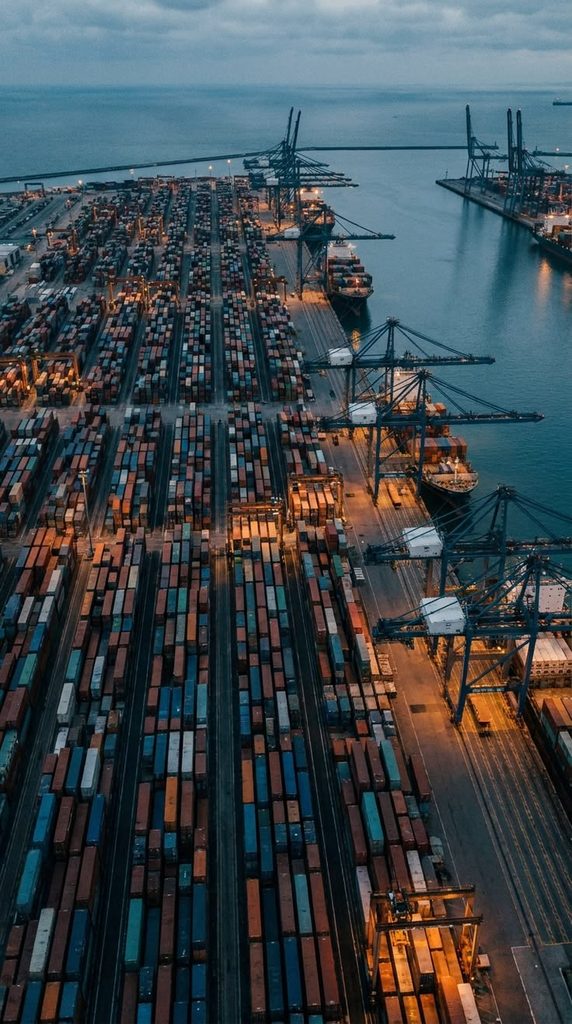
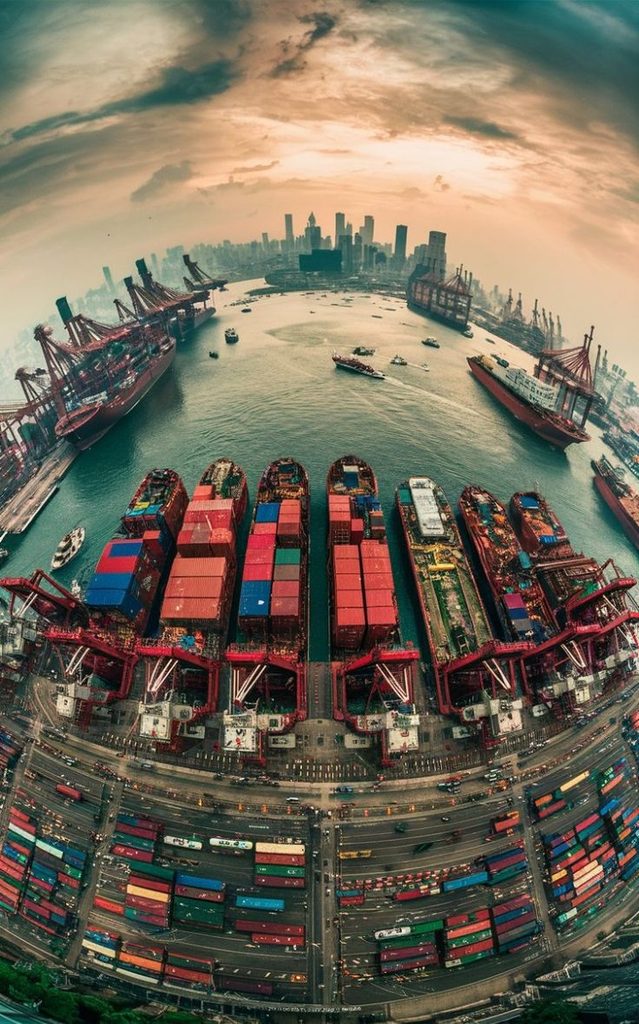
Volatility also makes big, long-term investment decisions harder. Ships and ports are expensive, illiquid assets. you can’t easily resell a half-built ship or an underused port if conditions change. That kind of uncertainty scares off private investors who need predictability to justify a big commitment. That’s a large part of why much of today’s new port capacity is being funded by governments. For a government, the goal isn’t just profit, it’s strategic control over trade routes.
Raw Material Producers
Producers of bulk goods like grain, ore, and coal usually run on thin margins and have little control over prices — so shipping cost swings hit their bottom line almost immediately. Because these goods are low-value relative to their weight, freight makes up a bigger share of the total cost than for most other products, so any volatility in shipping rates shows up directly as volatility in their profits.
Manufacturers

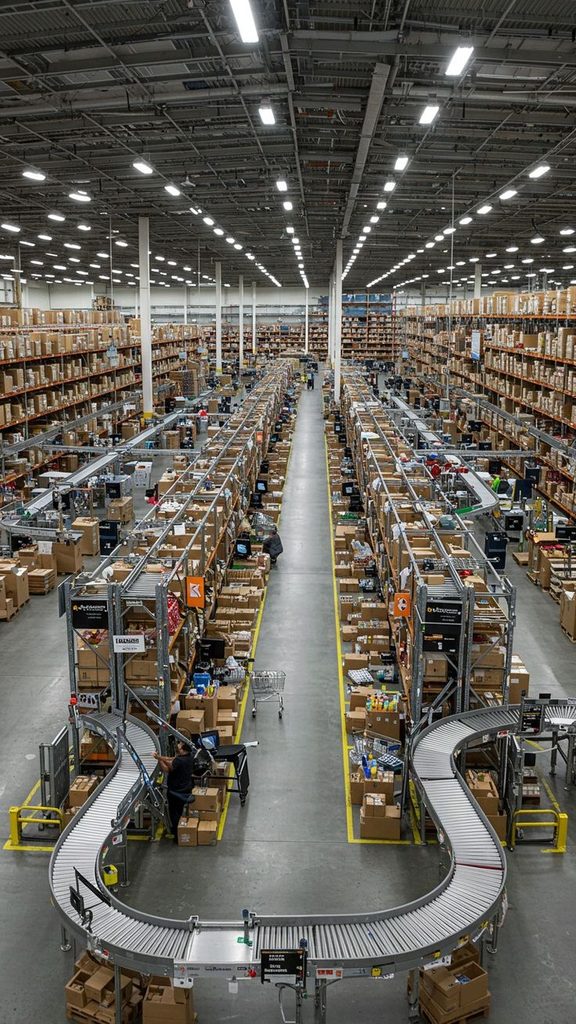
For manufacturers relying on tightly-timed, global supply chains, the real problem usually isn’t the shipping bill itself: it’s not knowing when a shipment will arrive. A single delayed part can stop an entire production line. That’s pushing some manufacturers to bring production closer to home, or to buy from more than one supplier, just to protect themselves from this kind of disruption.
Consumers: Elastic vs. Inelastic Goods
Whether a cost increase actually reaches the consumer depends on what’s being shipped:
- For non-essential (elastic goods), discretionary electronics, fast fashion, home goods, .. etc., retailers often eat some of the extra cost themselves rather than risk losing price-sensitive customers, especially if they expect the spike to be temporary.
b. For essential goods (inelastic goods), staple foods, medicines, fuel, .. etc., retailers can pass the cost straight to consumers, since people keep buying them regardless of price. The unfortunate result: the goods people can least afford to skip are also the ones most likely to get more expensive
Governments

A sudden freight spike acts like a shock to inflation. That pushes central banks to raise interest rates, which in turn raises the government’s debt and its own cost of borrowing.
Volatility in food and energy shipping raises real security concerns, not just economic ones. And when prices spike for essential goods like fuel or food, governments often face pressure to introduce emergency subsidies, spending with no source of extra revenue to cover it.
There’s also an interesting trade-off for a small group of countries. Nations with large shipping fleets, major ports, or big insurance markets do see real financial upside when freight rates and fees rise. But those same countries also import fuel, food, and other goods like everyone else, so they’re paying out of one pocket while collecting in another. And most of the profit from rising rates goes to private ship owners, port operators, and insurers, not directly to the government.
World Trade and Globalization Itself
So far this chapter has looked at who absorbs shipping volatility individually. Add all those players up, and something bigger starts to emerge: shipping volatility will start to negatively affect world trade itself.
The numbers back this up. According to UN Trade and Development UNCTAD, global seaborne trade growth was projected to slow to just 0.5% in 2025, with only around 2% annual growth expected through 2030. That’s a real slowdown, and UNCTAD says it’s not just a temporary dip in demand, it’s being driven by lasting structural shifts: geopolitical tension, changing trade policy, and the shift toward cleaner energy.
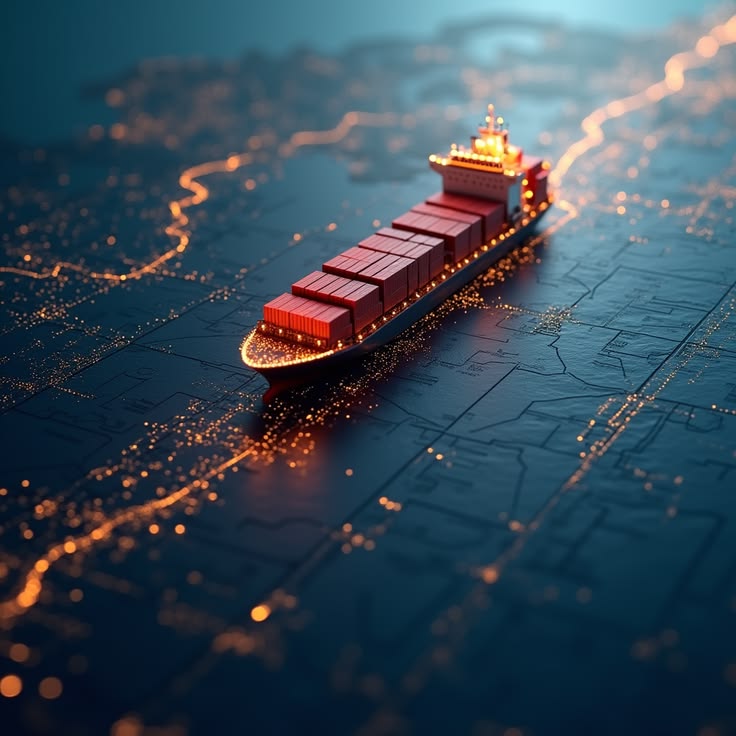
On top of that, ships are having to take longer, rerouted paths around trouble spots, meaning more time and fuel spent moving the same amount of cargo. That’s a hidden tax on global trade that doesn’t always show up directly in freight rates.
The bigger question is what this mean for globalization itself. A 2023 study found that when shipping costs rise, companies tend to bring supply chains closer to home instead of spreading them across the globe. That study looked at one temporary price spike. If shocks like this keep happening every year or two, the effect won’t be temporary. They may be quietly ending the assumption that goods could be sourced anywhere and shipped everywhere for negligible cost.
The Common Thread

The same pattern keeps showing up again and again. It is not the cost alone that causes the most damage. It’s the inability to plan around it. A shipping lane that is predictably expensive is just a line item in a budget. A volatile one is a risk that has to be insured, hedged, or absorbed, and someone, somewhere in this chain, always ends up carrying that risk. Put together, we have a new world trade picture different from globalization as we once knew it.
Part 3: Policy and Business Implications
If volatility, not just cost, is the industry’s new baseline, then the right response isn’t waiting for stability to return. It’s building for its absence.
For Governments
For the smaller number of countries with strong ports, shipbuilding industries, or marine insurance markets, shipping lane reliability can genuinely be treated as a strategic asset: they have every incentive to continue investing in this economic and geopolitical advantage.
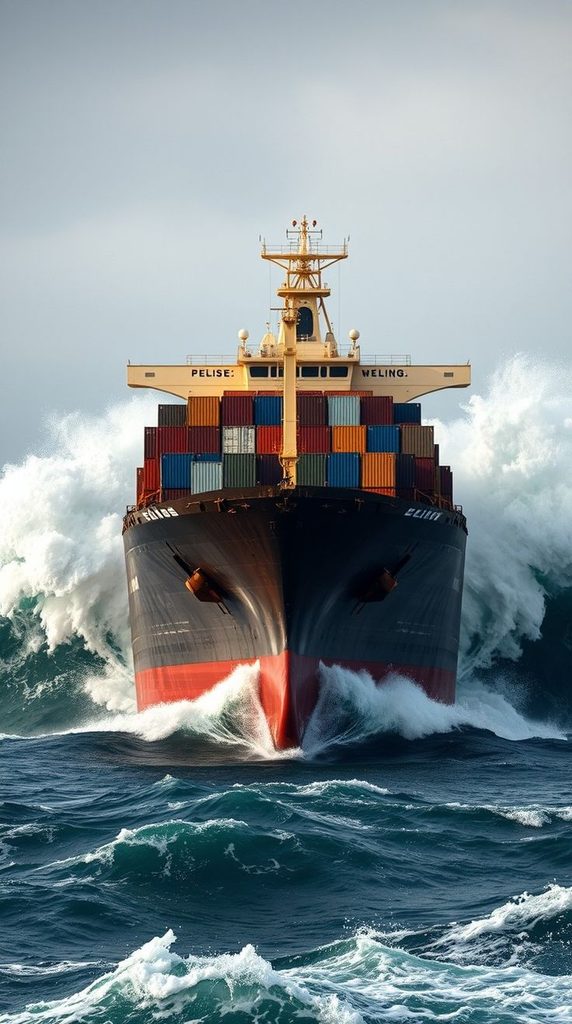
Most countries aren’t in that position. They depend on imports for fuel, food, or manufacturing inputs, without the infrastructure to control shipping themselves. For these countries, the smart moves are more defensive: diversify who you import from, bring supply chains closer to home and away from unstable regions, build up reserves of critical goods, and work with other countries to reduce dependence on any single route or single trading partner.
For Businesses
How a business should respond depends almost entirely on whether it has the money to actually choose resilience.
Smaller businesses often have no choice but to take whatever freight rate is available . They don’t have the size or negotiating power to diversify carriers or lock in better contracts. That leaves them the most exposed to every price spike, and for many, a single bad shipping cycle could be existential.
Larger businesses have real options: spreading risk across multiple carriers and routes, mixing long-term contracts with flexible short-term ones, and when the risk is high enough, moving production closer to home or working with more than one supplier, even if it costs more upfront. Many are also going back to keeping more inventory on hand, a practice companies had scaled back when shipping was cheap and reliable.
For Investors
Buying ships right now is a risky bet. The industry has a history of overbuilding capacity right before a downturn. It happened in 2016, and today’s order levels look similar. An investor committing to new vessels today should be cautious about repeating that mistake, especially for large, specialized ships built for one specific route that may not even exist in its current form five years from now.

Conclusions
This paper set out to answer one question: has volatility, not just rising cost, become the new normal for shipping? The evidence says yes, and it points to a specific reason why, not just “the world feels more chaotic lately.” What’s actually changed is the relationship between two layers of cost: a floor that keeps rising (fuel, insurance, compliance, security, capital), and a ceiling above it that swings harder and more often with every new shock; whether that shock is a pandemic, a war, an attack on a shipping route, or the industry building too much capacity at once. Five major disruptions in six years isn’t a coincidence. It’s not consistent with a return to the calm, predictable shipping of the pre-2020 world.
This paper also showed that volatility doesn’t hit everyone the same way. It reaches shippers, producers, manufacturers, and consumers through different channels, and it hits hardest for people who need essential goods and for smaller businesses, simply because they have the least ability to protect themselves. It puts long term financial pressures on governments, even after the shock that caused them passes, while only a handful of countries (those who control the ports, strategic water ways, and marine insurance) have any real chance of profiting from it instead.
Reliable shipping used to be something everyone could count on. Now, dealing with its absence is the real work ahead. Shipping has become a variable that has to be actively managed, through diversification, flexible contracts, realistic backup plans, and in some cases, simply holding more inventory (by those who can afford to do so). For everyone else, it’s a real and growing vulnerability. The old question used to be how to make shipping cheaper. The better question now is how to make a business, a supply chain, or an entire economy resilient to a shipping market that may not settle down again anytime soon. We may be entering an era defined by more protectionism, more recurring supply chain shocks, and a less optimistic outlook for global trade overall.
Leave a Reply